
FOOD & BEVERAGE MANUFACTURING OPERATIONS
From Installation to Operational Efficiency
The food and beverage (F&B) industry operates under some of the most demanding conditions in modern manufacturing. Tight production schedules, strict sanitation requirements, and complex equipment layouts leave little margin for error—especially when heavy machinery must be installed, relocated, or serviced. This is where professional rigging plays a critical role. Far from being “just heavy lifting,” rigging enables food and beverage facilities to expand, modernize, and maintain operations with precision, safety, and minimal disruption.
Why Rigging Matters in Food & Beverage Facilities
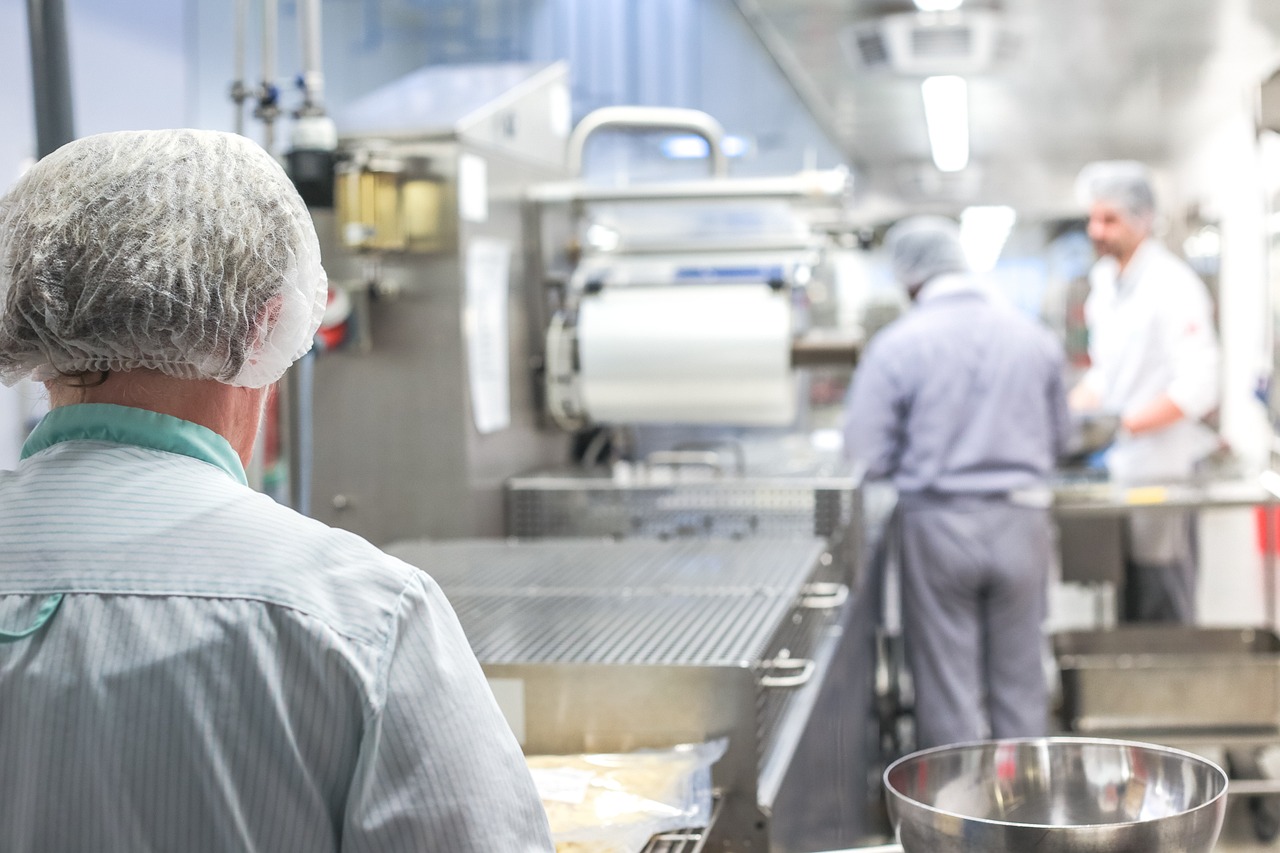
At its core, rigging is the engineered process of lifting, moving, positioning, and securing heavy or sensitive equipment using specialized tools and trained personnel. In food and beverage environments, rigging must be executed with additional layers of planning. Equipment such as mixers, kettles, conveyors, fillers, tanks, and packaging lines often operates in tight spaces and controlled environments where cleanliness and precision are paramount.
Unlike many industrial settings, F&B facilities cannot tolerate contamination risks or extended downtime. Rigging teams must coordinate closely with plant leadership, safety managers, and quality teams to ensure that every move supports ongoing production and compliance requirements.
Unique Challenges of Food & Beverage Operations
Food and beverage plants present a distinct set of challenges that make professional rigging essential:
- Sanitation and Food Safety: Equipment moves must respect hygienic zones, protect clean surfaces, and align with sanitation protocols to avoid cross-contamination.
- Operational Continuity: Many F&B facilities operate around the clock. Even short production stoppages can lead to missed delivery commitments, lost product, or spoilage.
- Complex Equipment Layouts: Modern production lines integrate mechanical, electrical, and automation systems that require careful alignment and positioning during installation.
Rigging teams with F&B experience understand how to plan and execute equipment moves that account for all three factors simultaneously.
Common Rigging Applications in the Food & Beverage Industry
Production Line Installation and Reconfiguration
As manufacturers introduce new products or packaging formats, production lines often need to be modified or expanded. Rigging professionals develop detailed lift plans to safely remove old equipment and install new machinery while minimizing interference with adjacent operations.
Facility Expansions and Equipment Relocation
Growth frequently requires relocating existing assets within a plant or transporting machinery to new facilities. Rigging teams manage the logistics of heavy equipment moves, including disassembly, transport coordination, and precise reinstallation to meet engineering specifications.
Maintenance and Emergency Equipment Replacement
Unexpected equipment failures can bring production to a halt. Professional riggers support maintenance teams by safely removing damaged components and installing replacements efficiently, helping plants return to operation as quickly as possible.
Safety, Compliance, and Best Practices
Safety is non-negotiable in both rigging and food production environments. Professional rigging crews operate under engineered lift plans that account for load weight, center of gravity, clearance constraints, and equipment capacity. In food and beverage settings, these plans also incorporate sanitation considerations and coordination with safety officers.
By following established best practices, rigging teams reduce the risk of injury, equipment damage, and regulatory issues—protecting both personnel and product integrity.
The Business Value of Expert Rigging
Beyond technical execution, professional rigging delivers measurable business benefits to food and beverage manufacturers:
- Reduced Downtime: Efficient planning and execution shorten shutdown windows during installations and upgrades.
- Asset Protection: Proper handling minimizes the risk of damage to high-value processing equipment.
- Improved Project Outcomes: Collaboration between rigging teams, engineers, and operations staff leads to smoother project delivery and faster commissioning.
These advantages directly impact productivity, profitability, and long-term operational resilience.
Rigging as a Strategic Partner in Food & Beverage Operations
In the food and beverage industry, success depends on precision, safety, and efficiency at every stage of production. Professional rigging supports these goals by enabling facilities to adapt, expand, and maintain critical systems without compromising quality or compliance. When planned early and executed correctly, rigging becomes not just a support service, but a strategic partner in keeping food and beverage operations moving forward.
Contact us
Please fill out the form below.