

MILLWRIGHTING SERVICES
More Than Mechanics — What a Millwright Actually Does on an Industrial Job Site
Most facility managers have worked with electricians, plumbers, and general contractors. But when a 30,000-pound CNC machine arrives on a flatbed and needs to be operational by Monday, those trades step aside. That is when a millwright walks onto the job site.
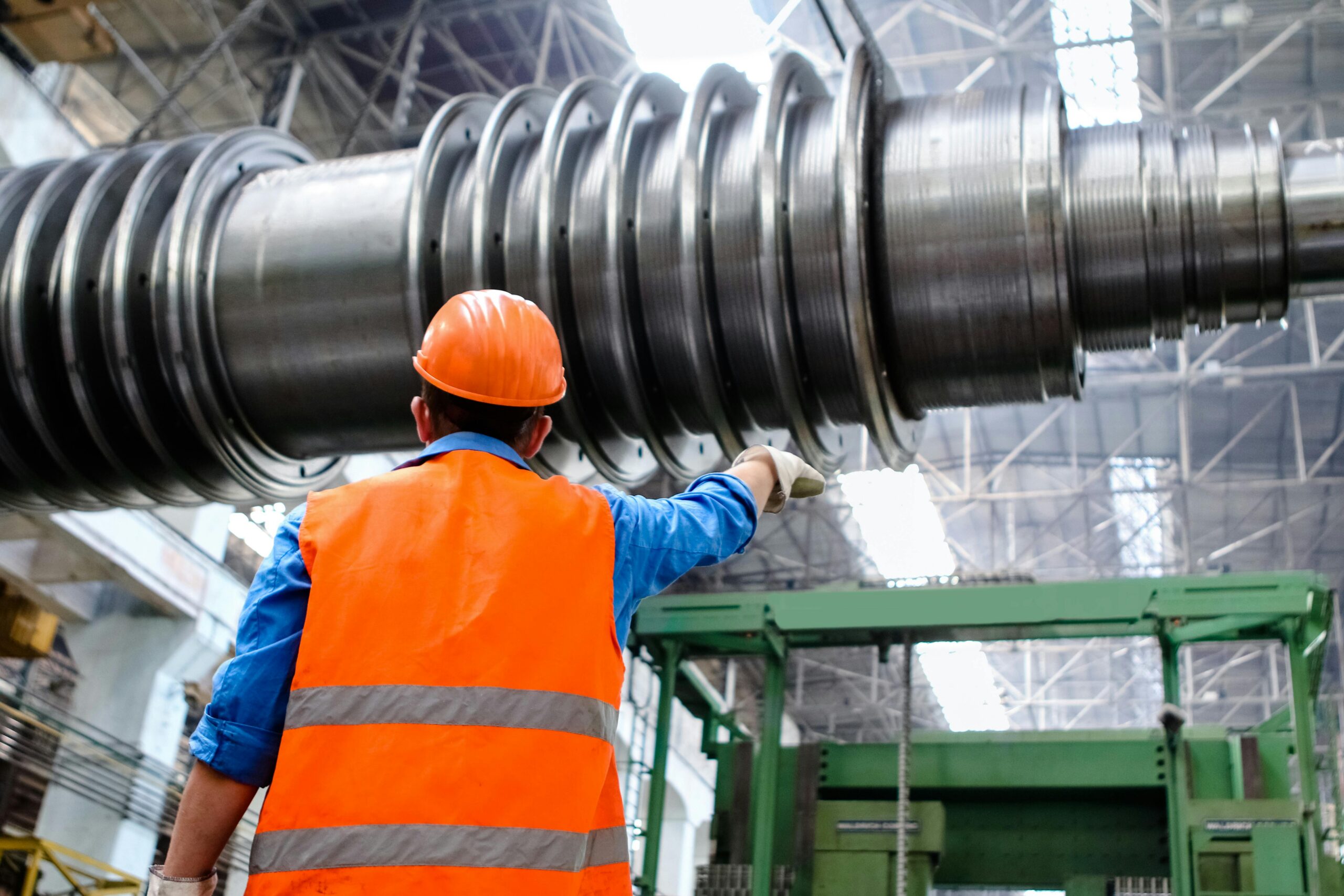
A millwright is a specialized industrial tradesperson who installs, aligns, disassembles, and relocates heavy machinery. The role sits at the intersection of mechanical precision, structural rigging, and production engineering — and it is one of the most misunderstood trades in industrial construction.
The Scope of Industrial Millwright Work
Millwright services cover a broad range of work that general contractors are not equipped to handle. On a typical project, a millwright crew may anchor equipment to engineered foundations, perform laser shaft alignment to OEM tolerances, level machinery across uneven plant floors, and connect hydraulic, pneumatic, and mechanical drive systems.
The scope extends beyond new installations. Millwrights handle conveyor builds, production line reconfigurations, equipment teardowns for relocation, and retrofit work on aging systems. In sectors like automotive manufacturing, food processing, and data center construction, millwright precision is what separates a machine that runs to spec from one that generates chronic maintenance issues.
Why Millwrights Matter for Production Timelines
The difference between a millwright and a general mechanic is tolerance — both in measurement and in margin for error. Millwrights work in thousandths of an inch. A shaft misaligned by even a few thousandths will burn through bearings, shred couplings, and trigger unplanned shutdowns that cost manufacturers far more than the installation itself.
For facilities running multi-shift operations across Georgia, Alabama, and Tennessee, that precision translates directly into uptime. OSHA-compliant millwright crews with machine installation experience document every alignment to OEM specifications, giving maintenance teams a verifiable baseline from day one. The result is equipment that runs to spec on the first attempt — and stays there.
When to Bring in a Millwright
If your project involves heavy machinery — whether it is a new installation, a plant reconfiguration, or an equipment relocation — millwright services should be part of the planning conversation from the start. Bringing in a millwright after problems surface is reactive. Involving one during the project planning phase is how manufacturers across the Atlanta metro and Southeast avoid costly rework and production delays.
Contact us to discuss your project scope. RigX provides industrial millwright services with scheduling flexibility built around your production calendar — because the goal is always to get your equipment running without disrupting the operation around it.
Contact us
Please fill out the form below.